
Embodied Carbon: Deep Dive Into Low-Carbon Concrete
Concrete is one of the most ubiquitous building materials in the world. It’s strong, durable, cheap, and easy to work with. Despite this, concrete has a significant hidden cost: carbon emissions
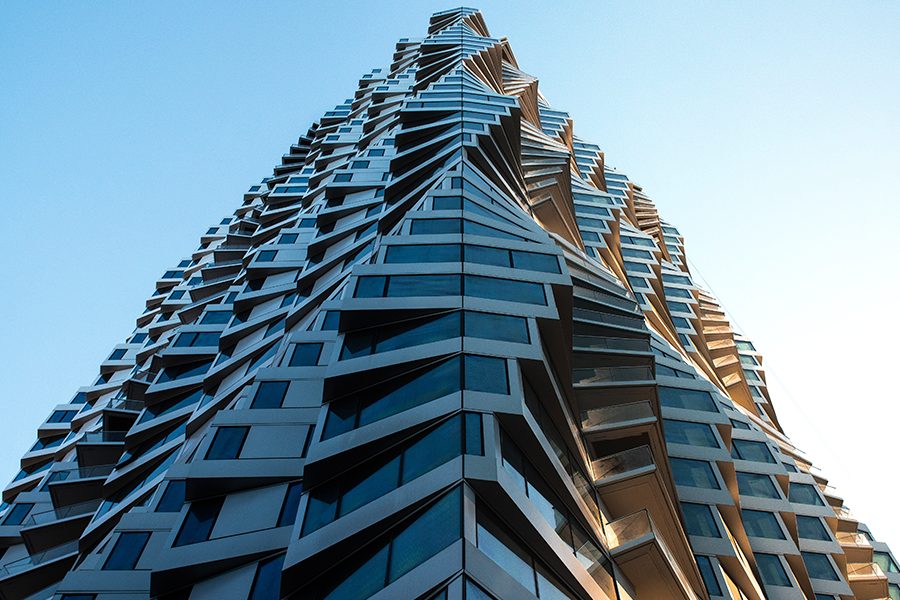
2019 Title 24 Energy Code Update: What Project Teams Should Know
The latest version of California’s Title 24 (T-24) energy code was released last year. As we near 2030—a major milestone

Code Compliance & Beyond: Upping Baseline Building Energy Performance
Due to their embodied carbon and operational carbon footprints, buildings play a significant role in widescale climate change mitigation, so understanding the impact of legislation on buildings is critical

5 Themes for the Future of High-Performance Buildings
Five major themes in high performance real estate present bold solutions for the sustainable built environment that tackle environmental, social, and economic challenges in California and at the global scale
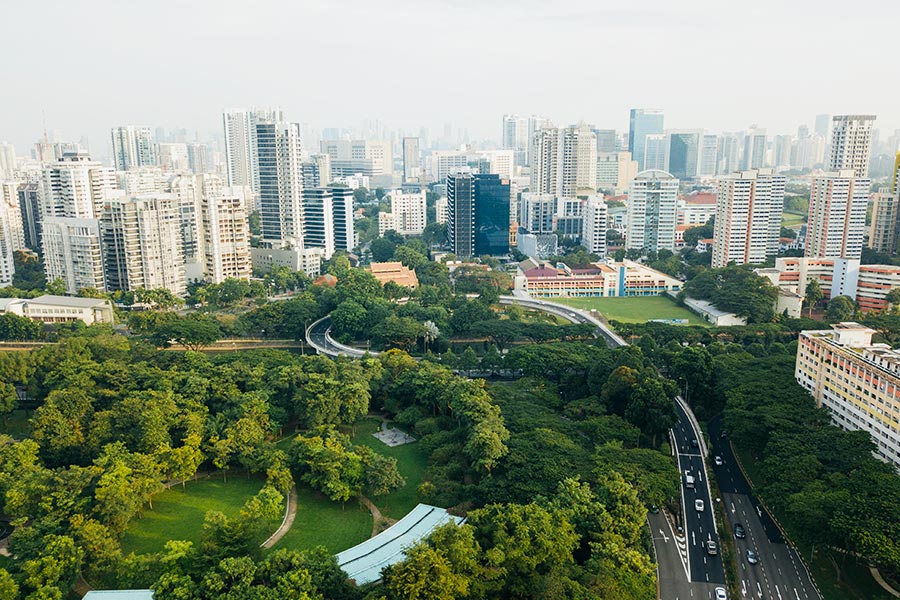
3 Considerations for Designing Scalable Sustainable Real Estate Programs
This June, stok partnered with Google and the International Living Future Institute to present on scaling sustainable real estate programs at Sustainable Brands ‘19 Detroit. As the business case for high performance buildings

5 Energy Engineering Ideas & Innovations from AEE West 2019
The AEE West Energy Conference & Expo brings together professionals in the energy engineering industry to share cutting-edge energy efficiency and tech-based solutions from the commercial, industrial, and government sectors
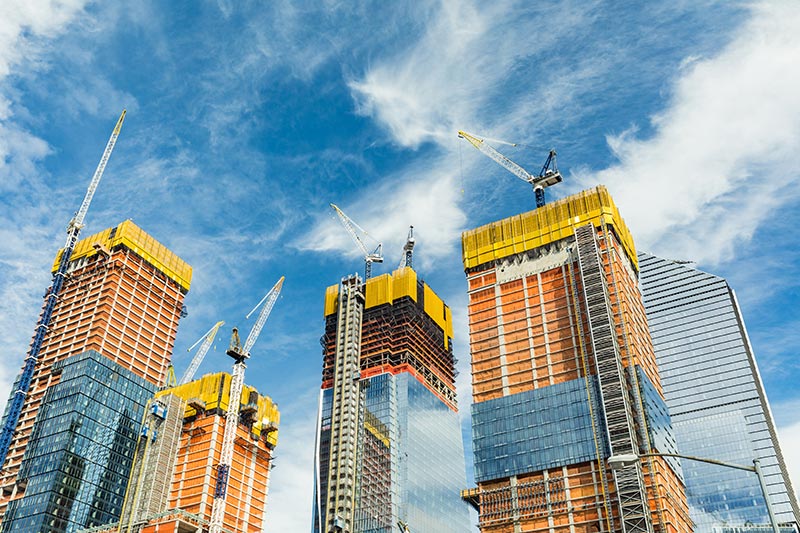
Addressing Embodied Carbon: FAQ
If you want to reduce your real estate’s carbon footprint, you should care about embodied carbon. Whether you’re pursuing the ILFI’s recently-launched Zero Carbon Certification or creating your own framework, addressing…
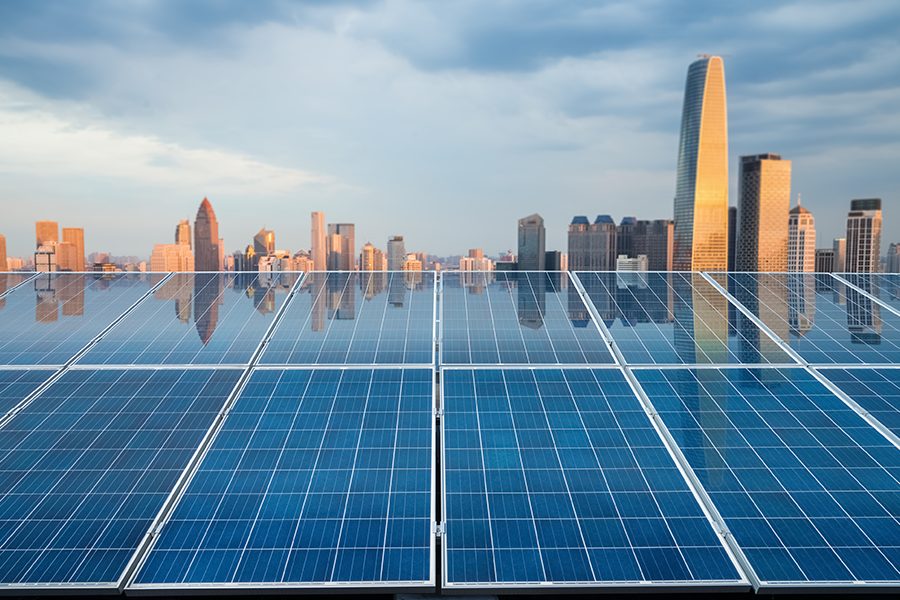
Net Zero Carbon: A Quick Plug for All-Electric Buildings
Given that buildings account for 39% of CO2 emissions in the United States, one of the foremost objectives in the sustainable building industry is to eliminate or reduce our built environment’s carbon emissions. The question is, how
12-Minute Video: The Financial Case for Sustainability
Supported by hundreds of research studies, and with insights from leading experts, stok argues that the seemingly intangible occupant impacts of the built environment are quantifiable from a bottom line perspective
Timeline to Zero: Actionable Steps to Achieve ILFI Zero Carbon Certification
With the recently launched International Living Future Institute (ILFI) Zero Carbon Certification (ZCC) – the first third-party certified Zero Carbon global standard – achieving and verifying Net Zero Carbon performance is now