

Guide to ILFI Zero Carbon Certification 1.1 Part 1: What Changed
In April 2024, the International Living Future Institute (ILFI) launched a new version of its suite of certification programs: Living Building Challenge (LBC) 4.1, Zero Energy Certification (ZE) 1.1, and Zero Carbon Certification (ZC) 1.1. Projects can register under the older – and plenty ambitious – versions until June 30, 2024, or proactively usher in the next era of decarbonizing the built environment by registering under the new version today.

Guide to ILFI Zero Carbon Certification 1.1 Part 2: How to Prepare
Given that the International Living Future Institute (ILFI) recently launched a new version of its Zero Carbon Certification (ZC), you may be wondering what this means for your projects. In this two-part series, we outline the changes to ILFI ZC 1.1 and share what developers, designers, and contractors can do to prepare.
Read Part 1 to see how embodied and operational carbon requirements have changed. Then, let’s dive into what you can do to set your projects up for success.
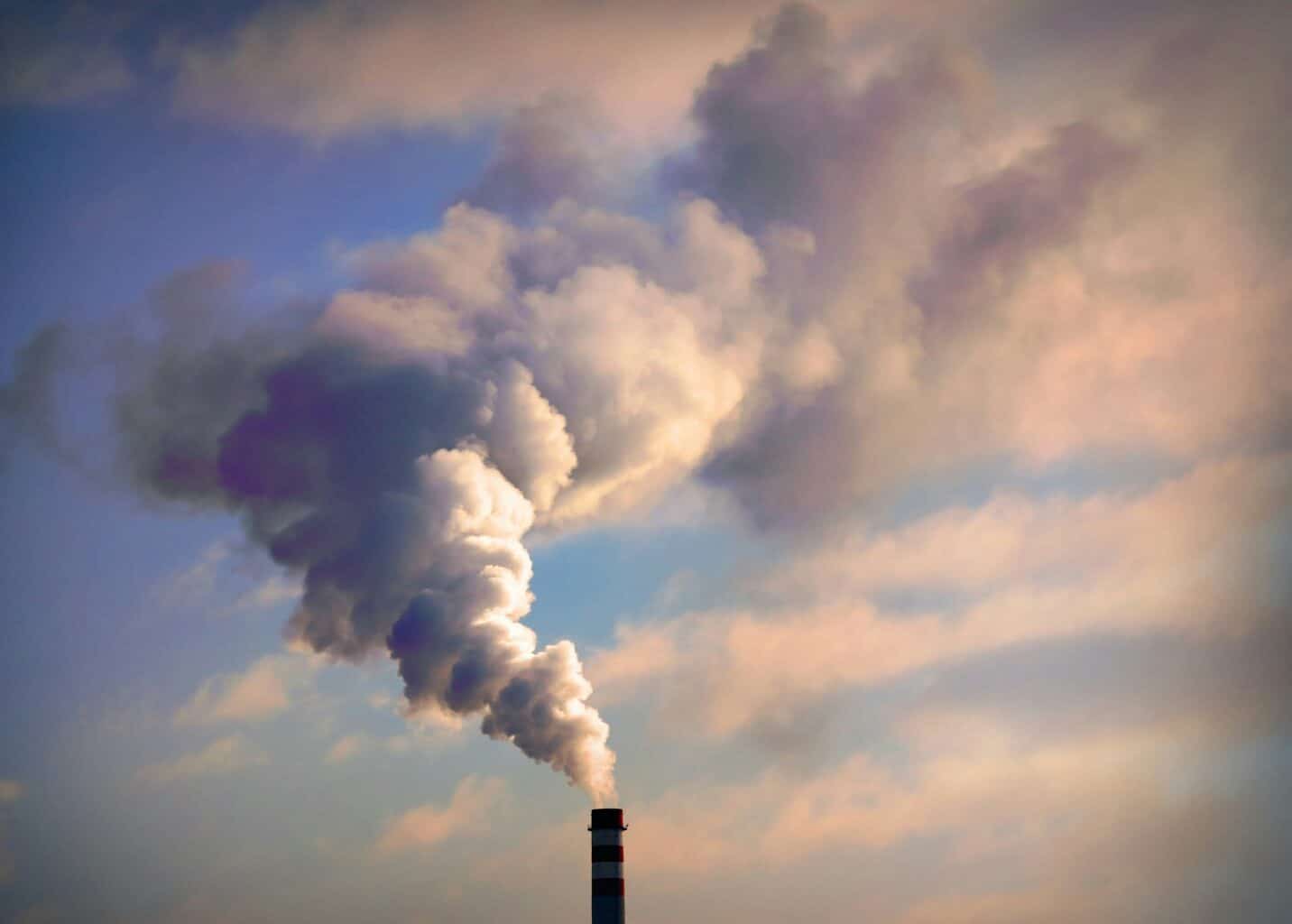
SBTi Plans Expansion of Carbon Credits for Scope 3: What You Need to Know
Last month, the Science Based Targets initiative (SBTi) made sustainability headlines by announcing that it would consider allowing companies to use carbon credits, and other environmental attribute certificates, to achieve their Science Based Targets. While the change was welcomed by some, it prompted serious pushback from SBTi staff, partners, and environmental groups.

EcoAmmo Joins Stok to Deliver a Radically Better World
San Francisco (May 1, 2024) – We’re excited to announce that EcoAmmo, a leading Canadian sustainability consultancy and fellow B Corp and ILFI Just organization, has joined Stok. Our organizations share a common belief that a radically better world for all is not only possible, but we have a duty to ensure it. Combining our businesses will enable us to achieve our mission to accelerate the transition to a resilient, climate-positive future.

Greenhouse Gas Accounting: Tracking and Reporting GHG Emissions
Companies and organizations are facing increasing pressure from regulators, investors, customers, and other stakeholders to measure their carbon footprint and limit emissions. In the U.S. several regulations and pending regulations would require public companies to report their emissions, including California’s SB 253, the SEC Climate Disclosure Rule, and proposed regulations in Washington and Illinois.
So, how can organizations answer this call?