
What Does It Mean to Be a Carbon-Neutral Company? Stok’s Approach
We’re proud to celebrate becoming a carbon-neutral company across Scopes 1, 2, and 3 in 2025! At the same time, we believe it’s important to clarify what this claim means, why we think it’s worth making, and how we advise other companies to use it.
Making Lasting Change: Inside Stok’s 2025 Impact Report
We’re proud to share Stok’s second annual impact report! As a small business and consultants who guide organizations through ESG program development and implementation, reporting is one part of a much bigger question: how can a strong ESG program protect and create value for our business while helping us deliver greater value for our clients and stakeholders?

The Four Data Center Operations Questions LEED O+M Forces You to Answer
AI data center conversations often focus on energy. Megawatts, grid interconnection queues, PPAs, nuclear restarts, carbon intensity. When consumption is growing roughly 15% per year, more than four times faster than every other sector combined, energy remains the right conversation to be having. It is just not the only one. Stok has argued that sustainability is rapidly becoming a determinant on whether data centers get approved. This is about not only approval, but also extends the conversation to ask what happens after they are built.

Where to Find Stok: 2026 Fall Event Guide
As another fall conference season approaches, our team will be joining conversations across the worlds of corporate sustainability, commercial real estate, and AEC teams, sharing insights on everything from AI-powered decarbonization, to sustainable data center innovation, to integrated project delivery (IPD) proven practices.

What’s Really Stopping Your Electrification Project?
Imagine you’re an owner that needs to electrify your existing buildings, whether due to building performance standards (BPS) or company targets. Yet even when electrification is shown to be financially feasible, it can stall in implementation. Why? Let’s answer three common questions from building owners and operators when moving from electrification feasibility to actual implementation.
Data Center Sustainability: A New Deciding Factor in Project Approval
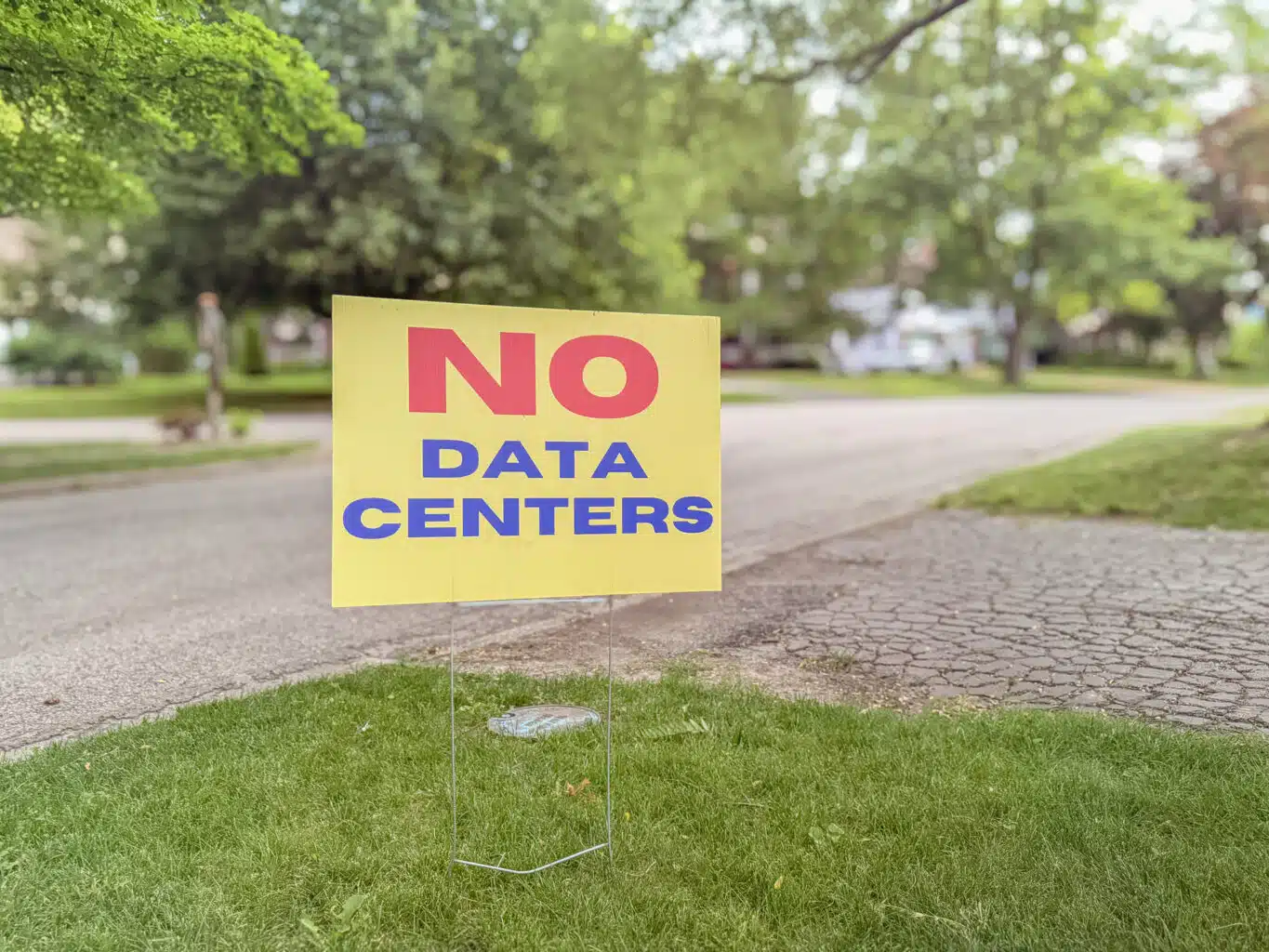
Data center developers face a growing challenge: no one wants a data center in their backyard. Whether it’s concerns about noise pollution, the risk to local water resources, or that data centers produce a significant amount of greenhouse gas emissions at a time when climate change impacts have become more visible and urgent, communities are increasingly pushing back on data center construction.
LEED v5 Commissioning: 4 Key Changes for Owners and AEC Teams
The next generation of green building certification is here. Released in April 2025, LEED v5 introduces powerful updates that shift
Stok and Arcadis Partner to Scale Sustainability Strategy and Asset Decarbonization
Stok has entered into a strategic partnership with Arcadis, a global leader delivering data-driven sustainable design, engineering, and consultancy solutions for natural and built assets. The partnership builds on Stok’s integrated sustainability capabilities spanning portfolio strategy through asset-level implementation by adding Arcadis’ holistic real estate advisory, engineering, and delivery expertise. Together, Stok and Arcadis help clients improve asset performance while managing energy, carbon, and infrastructure priorities at scale.

Portfolio Energy Data Is More Than a Reporting Exercise
A stat in the recent Trellis State of the Sustainability Profession 2026 report caught our eye: half of companies surveyed are spending more time and money on sustainability reporting, yet 67% feel it’s had no clear effect on their sustainability efforts or is actively diverting resources from higher-impact work. This suggests that many companies’ sustainability data have yet to stretch beyond the silo of reporting to empower smarter business decisions through integration into capital planning cycles and investment strategy, which is where the real magic happens.
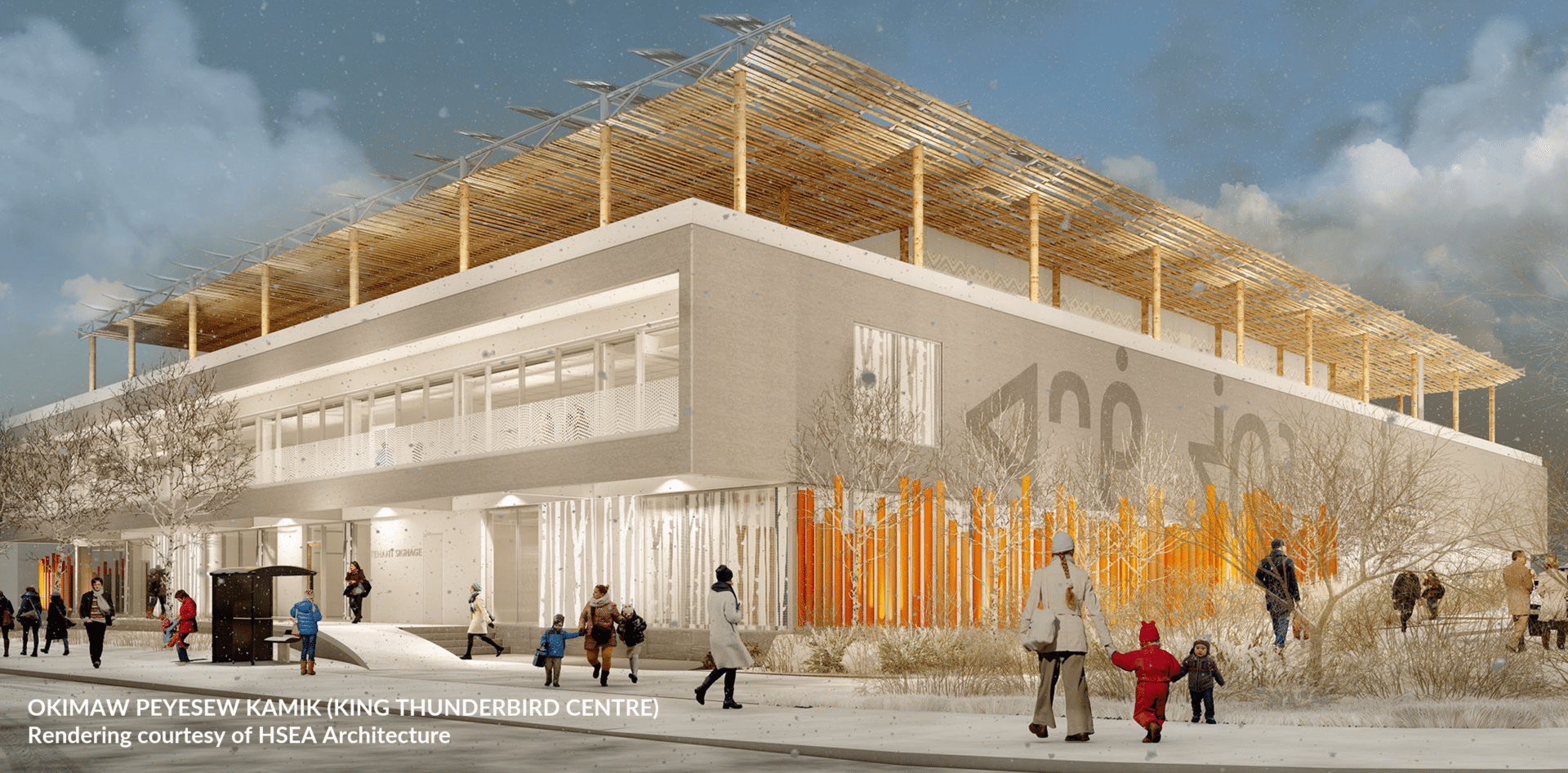
Carbon and Capital Efficiency: The Business Case for Integrated Project Delivery
This year we’re diving deep into the business case for sustainability so you can invest wisely, clearly communicate impact, and bring others along on the journey.