
Building Performance Standards and Smarter Capital Planning
Let’s say you’re a portfolio manager for a real estate owner with a diversified portfolio. A key challenge we see many in your role facing is: Does proactive decarbonization and planned investment deliver better risk-adjusted returns than reactive compliance and unplanned spending?

Zero Carbon Buildings in Canada: An Owner’s Guide to the CAGBC ZCB Standard
Owners across Canada, especially at municipalities, non-profits, and higher education institutions, face a challenging balancing act of reducing carbon emissions, meeting public climate commitments, and improving building performance all within tight budgets. At the same time, funding opportunities are increasingly tied to measurable outcomes, requiring owners to leverage credible, verifiable frameworks to support financing applications, asset value, and long-term resilience.

Is Electrification Financially Feasible for Existing Buildings?
Owners and operators face tightening Building Performance Standards (BPS), local decarbonization mandates, and corporate net zero commitments, accelerating the need to act on electrification as a key pillar of building decarbonization. Yet electrification for existing buildings has often been framed as expensive and disruptive, prompting owners and operators to ask: does electrification of existing buildings make good business sense?

Stok’s Values, Evolved: A Conversation with Stok’s Director of People and Culture, Madeleine Drake
As Stok continues to grow and evolve, most recently through our acquisition of Canadian sustainability consultancy EcoAmmo, we’ve taken time

How Do Real Estate Companies Choose the Right Climate Risk Software
For real estate companies that understand the value in climate risk software (as we covered in Part 1 of our two-parter on climate risk software for real estate decision-makers), the question isn’t whether to invest, but rather how to invest wisely.

How Climate Risk Software Adds Value for Real Estate Stakeholders
For real estate companies reporting under IFRS S2, California SB 261, or Canada’s federal climate risk disclosure requirements, climate risk has moved well beyond a sustainability issue. It is now a core financial risk, affecting asset values, credit exposure, insurance availability, and investor confidence.

Stok Impact: Progress Toward Purpose in Our 2024-2025 Report
We’re excited to share Stok’s first-ever impact report! Our purpose has always pushed us to walk the talk, and publishing this report is a proud step in that direction. As consultants who guide organizations through materiality assessments and impact reporting, publishing our own report deepens our commitment to transparency, accountability, and kaizen (continuous improvement), and we’re proud to join alongside many impact-driven organizations in sharing our progress and where we aim to grow next. This post offers a quick look at our Stok Impact journey, with key insights for anyone building or evolving their own impact reporting strategy.

When Data Centers Took Over Conferences (And What We Learned)
Fresh off the fall conference circuit, the Stok team shares the latest insights on data center development and the challenges

You’ve Identified Climate Risks. Here’s What to Do Next.
This blog post was co-authored by experts at Stok and Arcadis, two firms working to address climate risk across sectors. Many organizations are
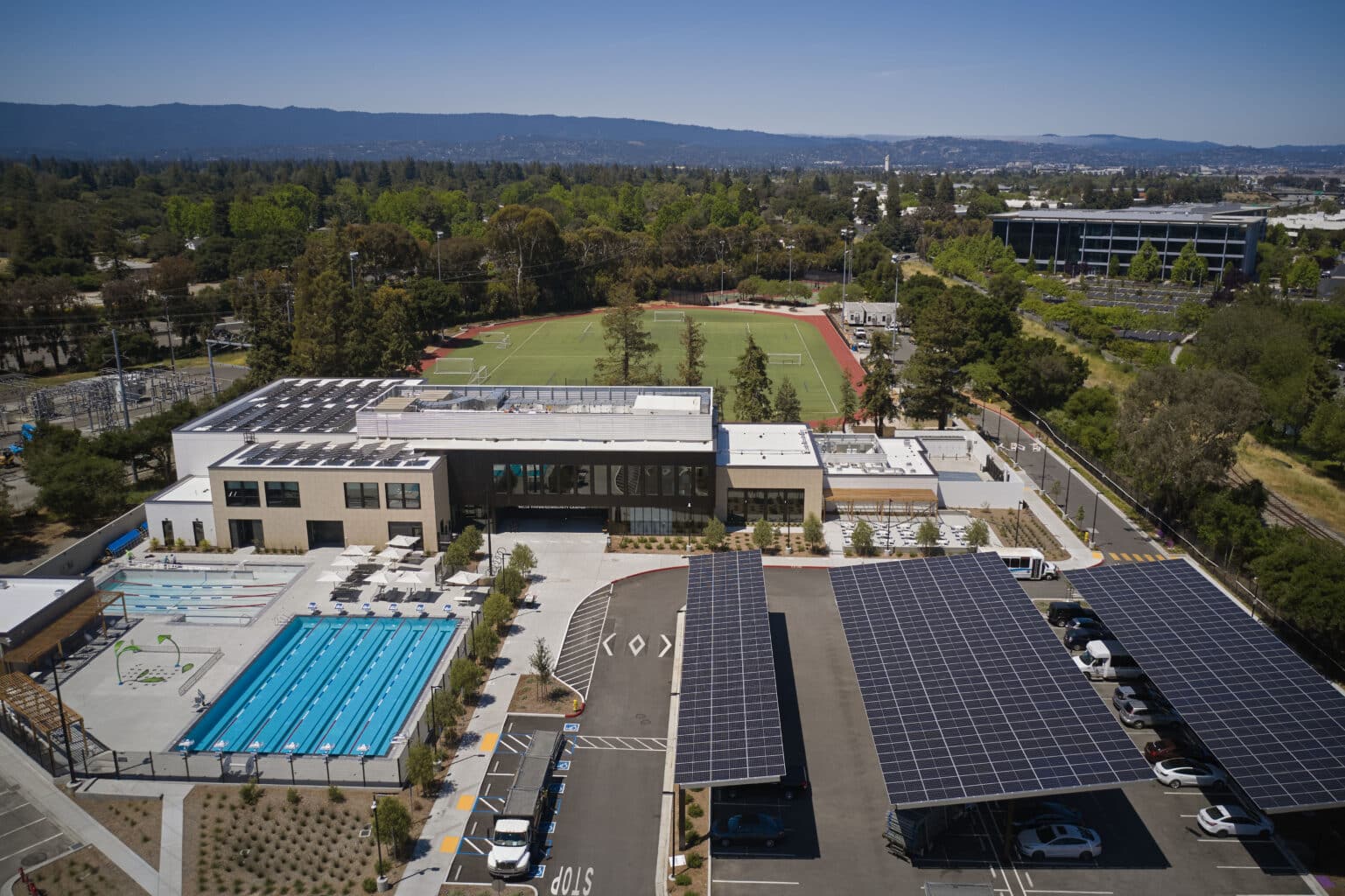
LEED v5 Energy Overhaul: 3 Things AEC Teams Need to Know
The next generation of green building certification is here. Released in April 2025, LEED v5 introduces powerful updates that shift the industry