
Stok’s Pro Bono Program: Submit Your Project
We’re proud to introduce the Stok Pro Bono Program, developed to make our professional services more accessible to marginalized communities working toward decarbonization and healthier built environments. Through this program, Stok provides our services at no cost to qualifying organizations with inspiring visions for impact.

LEED v5 is Here: Looking Back and Ahead at the Evolution of Green Building Leadership
With LEED v5 officially launched, Stok is reflecting on the transformative journey of LEED—and our own. Through our 17 years in practice, we’ve partnered with mission-aligned clients to certify millions of square feet of high-performance space across sectors. With every version of LEED, the bar has been raised. Now, LEED v5 represents a significant step in the evolution of green building leadership.

Making Sense of Big Energy and Carbon Data: An Asset-Level Guide
I’m a data engineer at Stok, working with our building performance management experts. What’s a data engineer doing at a

Top Trends in Decarbonization, ESG, and the Future of Real Estate
Stok recently attended the IMN ESG and Decarbonizing Real Estate Forum, where real estate leaders shared insights on the top environmental, social, and governance (ESG) trends shaping the industry. In a shifting regulatory and political landscape, it was energizing to engage with experts committed to advancing sustainability.

Top Carbon Trends of 2025
While many of the carbon trends we highlighted in 2024 are just as relevant now, 2025 holds new focus. Alongside embodied carbon, the need for better data, and interest in the carbon market, these trends and many more are paving the path for what we expect to be another busy, if not frenetic, year in climate action.
Accelerating DEI in the AEC Industry Through LeaderFlow
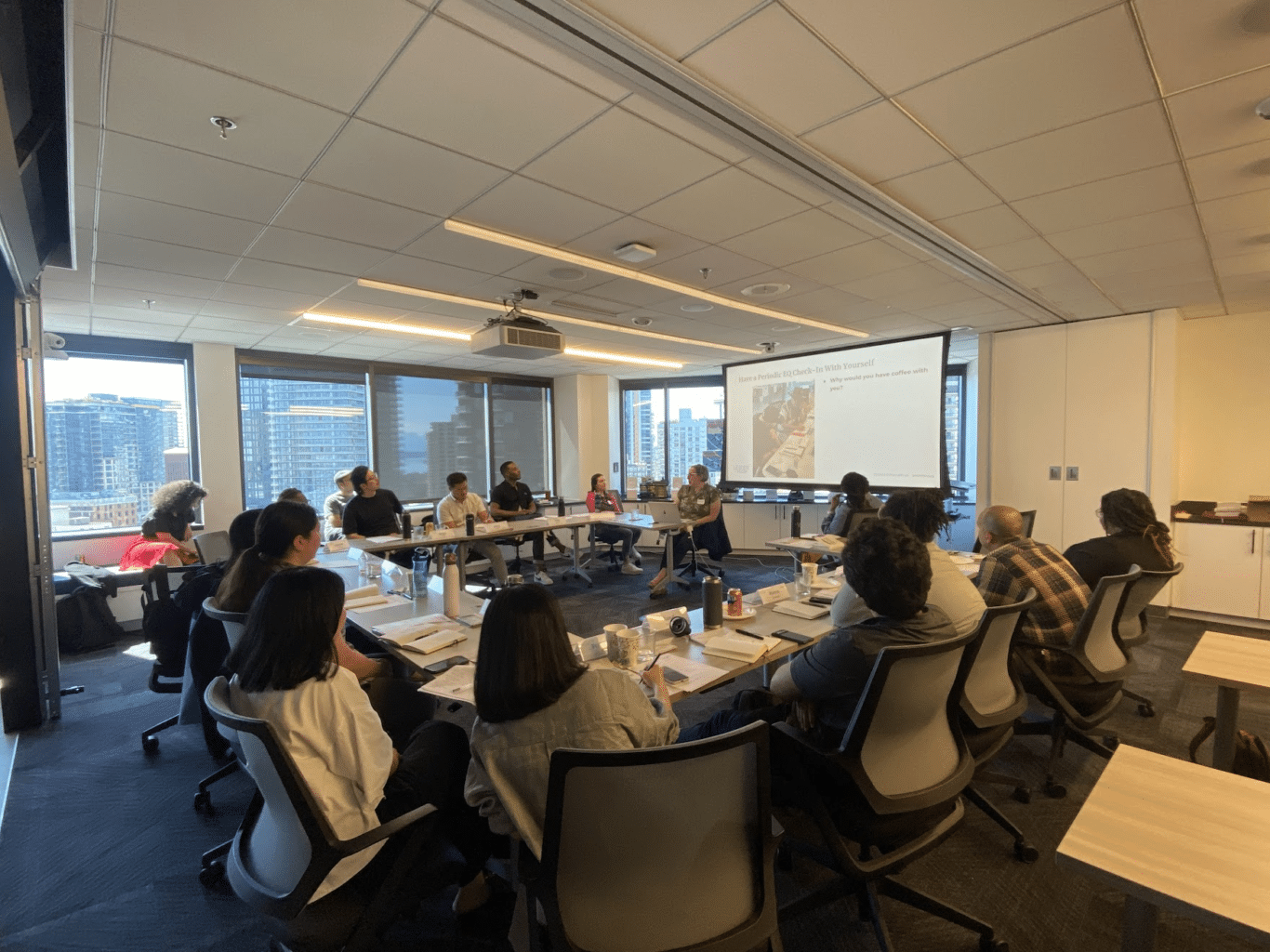
At Stok, we’re proud to sponsor LeaderFlow, a non-profit organization dedicated to accelerating leadership opportunities primarily for professionals of color in the architecture, engineering, and construction (AEC) industry. Through its unique, immersive curriculum, LeaderFlow opens pathways for talented mid-career professionals to build confidence, develop key management skills, and strengthen connections within the industry.

Tenant Engagement to Achieve Decarbonization Part 2: People-Focused Tenant Engagement Strategies
Tenant engagement in decarbonization efforts is pivotal. By engaging tenants in the decarbonization journey, landlords can guide energy consumption reduction, influence behavioral change, and amplify sustainable impact. In this Part 2, we delve into 3 people-focused tenant engagement strategies.

Tenant Engagement to Achieve Decarbonization Part 1: Building-Focused Tenant Engagement Strategies
Even a well-designed building can underperform if its systems are not properly maintained or if occupants do not use them as intended. Thus, high-performance buildings share a key factor for success: tenants and landlords working collaboratively to reduce carbon emissions and enhance energy efficiency.

Collaborative Project Delivery 101
One of the biggest levers we have to mitigate climate change is through decarbonizing existing buildings; however, it can be complex and costly. How can owners and project teams navigate existing building retrofit challenges and improve project outcomes?

Top 5 Tips to Electrify Your Existing Building
Electrifying your existing building can be a transformative step towards decarbonizing your portfolio and achieving long-term cost savings; however, the transition likely won’t come without technical and financial challenges. Understanding the essential steps to effectively electrify your building is crucial. Here are our top five tips to ensure a smooth and successful electrification process.