
SB 253: What You Need to Know About California’s Newest Climate Legislation
California Senate Bill 253 (SB 253), also known as the “Climate Corporate Data Accountability Act”, achieved a significant milestone by passing the state’s Assembly on September 12, 2023, marking a crucial moment in the establishment of mandatory emissions reporting legislation on the state level. CA SB 253 is one of two separate bills of the Climate Accountability Package – SB 253 and SB 261 – which both aim to improve and increase corporate transparency. Focusing on SB 253, here we outline highlights of this historic bill, what organizations it impacts, and what you can do to prepare for it.

Carbon Series: Life Cycle Assessments 101
In this installment of Stok’s carbon video series, embodied carbon experts Andrés Gutierrez and Shreya Das provide a 101 on life cycle assessments (LCAs): what they are, how we do them, and how to use LCAs to advance progress on climate goals.


Carbon Credits FAQ Part 2: How and When to Get Started
Understand carbon credits in concept but don’t know how to get started on your journey? This two-part FAQ explores some of the most common carbon credit questions to help enable organizations to effectively explore carbon markets in pursuit of decarbonization goals. Part 2 gets practical: how to strategically identify credible and cost-effective carbon credits, and when to invest in them.

Carbon Credits FAQ Part 1: What They Are & Why They Matter for Net Zero
So, you’re looking to buy carbon credits, but don’t know where to start? You’re not alone. Carbon credits as an emissions mitigation tool and investment opportunity are of increasing interest to the corporate world. In this two-part FAQ, we break down some of the most common carbon credit questions to help enable organizations to effectively explore carbon markets in pursuit of decarbonization goals. Part 1 covers the basics: what are carbon credits and why do they matter?

GreenFin 23: 8 Takeaways for Sustainable Finance & Impact Investing
Last month’s GreenFin 23 brought together thought leaders, industry experts, and innovators to discuss the future of sustainable finance and investing. As a civil engineer, sustainable finance master’s student, and sustainable building practitioner, here are my top takeaways on what’s shaping the investment landscape.
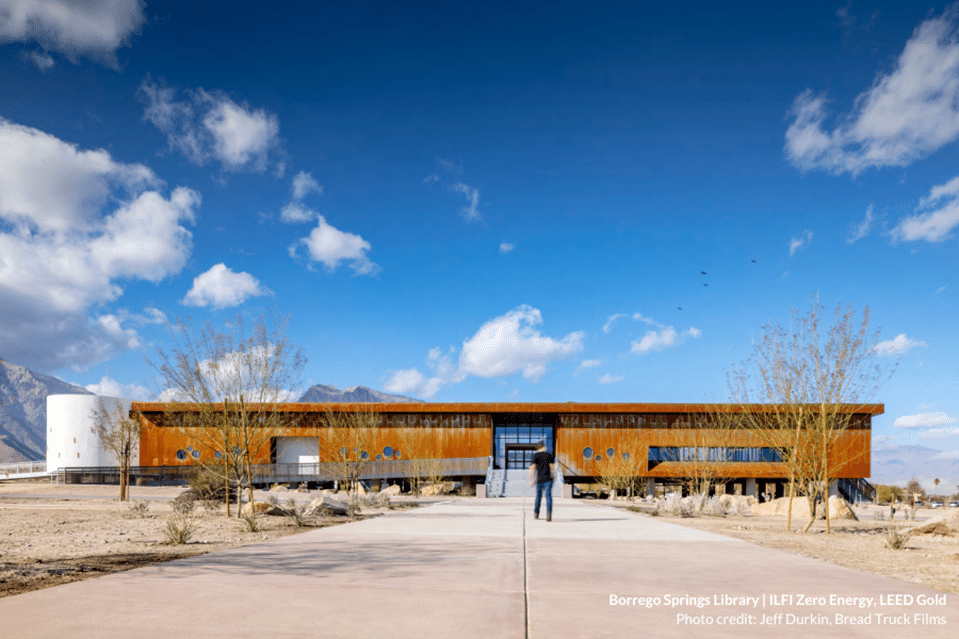
Benefits of a Dedicated Energy Modeler
What’s the best way to optimize building energy performance, life-cycle costs, and carbon emissions reductions? While building owners and architects often default to their mechanical engineer to answer this question, a dedicated energy modeler can provide enhanced value when engaged to collaborate with the design team to optimize energy, costs, and carbon emissions.

Electrification: A New Value-Add Approach to Avoid Common Costly Pitfalls
As businesses strive for ambitious emissions reductions, electrification has become crucial in supporting corporate climate efforts and helping companies adhere to tightening mandates. For the building sector, this means replacing traditional fossil fuel-burning equipment with electric alternatives, which offers an effective means to reduce operational carbon emissions.

Energy Efficient Commercial Building Tax Deduction 179D: What Owners Need to Know
The energy efficient commercial building tax deduction (IRS 179D) is a simple way for building owners to make the most of their investment in high-performance real estate. Here, we review what the 179D tax deduction is, what the application process entails, and how to get started.